
The Kanban Kitchen Streamlining Meal Planning Visual Workflow
Eliminate decision fatigue and reduce food waste by applying Lean Manufacturing's visual Kanban system to your home kitchen workflow.
The Kanban Kitchen: Streamlining Meal Planning with Lean Manufacturing's Visual Workflow System
Are you tired of decision fatigue and food waste in your kitchen? It's time to borrow a page from industry and apply the Kanban system, a core principle of Toyota's Lean Manufacturing, to your home cooking. By creating a visual workflow system, you can eliminate meal planning stress, reduce food waste, and optimize your kitchen for efficiency. Let's dive into how the Kanban kitchen can transform your cooking experience while aligning perfectly with the 2+1 strategy.
Understanding Kanban in Lean Manufacturing
Before we adapt Kanban for our kitchens, let's understand its origins and principles. In Lean Manufacturing, Kanban is a pull-based system that manages production to eliminate waste and optimize workflow. It starts with the current reality, pursues incremental change, and uses visual cues and work-in-progress limits to create a just-in-time production system. To learn more about Kanban's roots and core principles, check out this comprehensive guide on Kanban in Lean Manufacturing.
Applying Kanban Principles to the Kitchen
Now that we understand Kanban's foundation, let's explore how we can apply its principles to our kitchens. By doing so, we create a pull-based meal system that addresses decision fatigue, reduces food waste, and creates a sustainable, adaptable meal planning solution.
Visual Inventory Management
In a Kanban kitchen, visual signals help track inventory and meal progress. Use a whiteboard or magnetic board to create a Kanban board, displaying protein inventory, meal plans, and work-in-progress. This visual system helps you see at a glance what you have, what you need, and what's cooking.
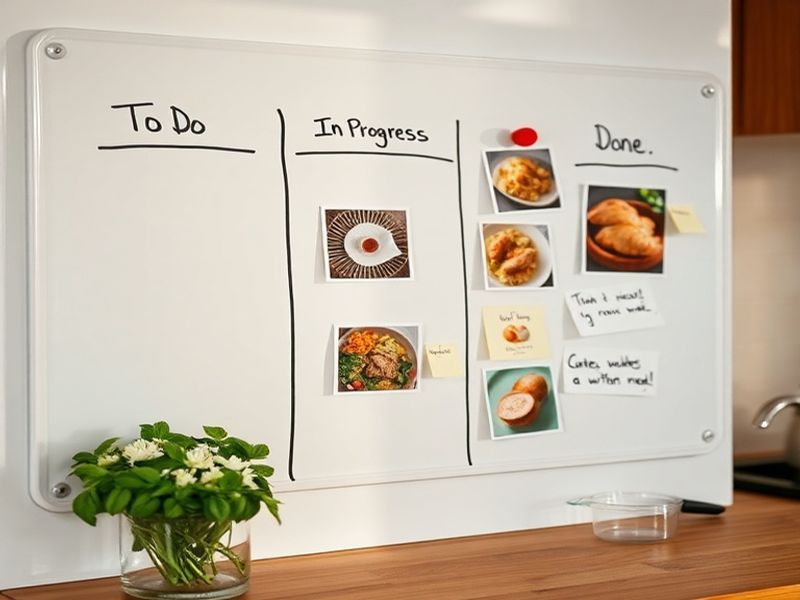
Pull-Based Meal Production
Kanban kitchens operate on a pull system, meaning you only cook what will be consumed. This approach eliminates over-prepping and reduces food waste. When you see that you're running low on a specific protein or ingredient, that's your visual cue to "pull" more from your freezer or grocery store.
Work-In-Progress Limits
Set limits on how many meals you're preparing at once to prevent overloading your refrigerator or freezer. This constraint encourages you to focus on what's at hand, reducing decision fatigue and creating a more manageable cooking environment.
Continuous Improvement
Regularly review and adjust your Kanban system to identify bottlenecks and inefficiencies. This continuous improvement process ensures your kitchen workflow remains optimized and tailored to your family's needs.
The 2+1 Strategy Meets Kanban
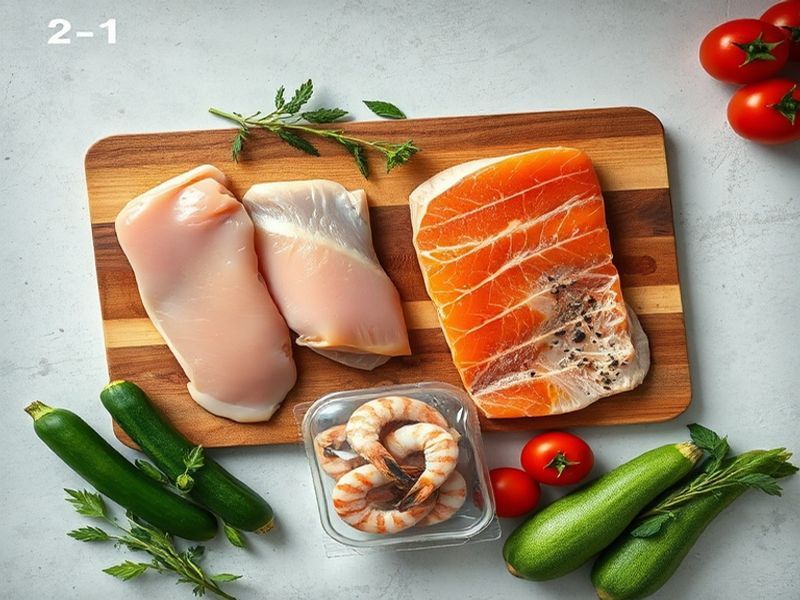
The 2+1 strategy—planning around two fresh core proteins plus one freezer-breaker—aligns perfectly with Kanban principles. Your fresh proteins represent controlled inventory, while your freezer-breaker acts as a buffer stock, ensuring you always have a meal option ready to go.
The Psychology of Kanban Kitchens
Traditional meal prep systems often fail due to psychological resistance. Complete meals refrigerated for the week can feel boring and rigid, leading to abandoned plans and wasted food. In contrast, Kanban's component-based approach works with natural human tendencies, creating flexibility within structure. To learn more about why traditional meal prep fails and how Kanban succeeds, check out this insightful article on why meal prep never works (and what actually does).
Reducing Food Waste with Kanban
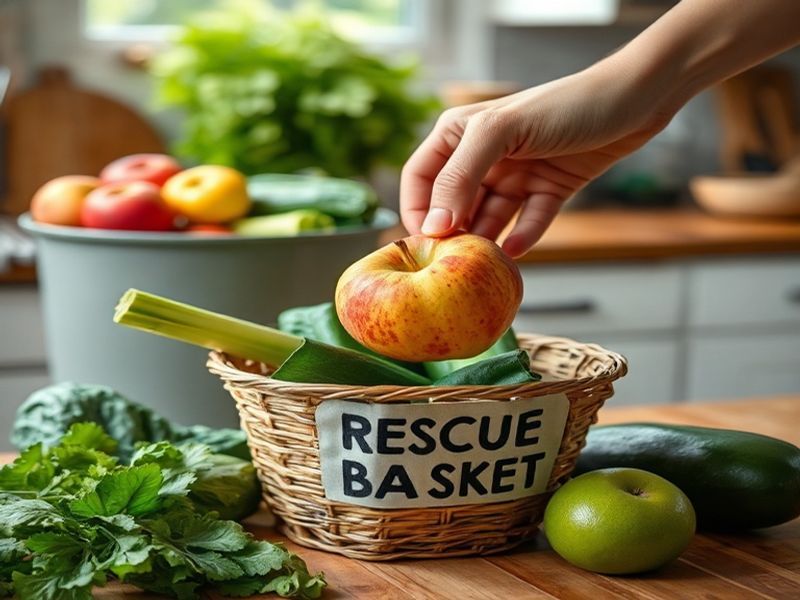
Over one-third of all food goes uneaten in the US, costing households an average of $728 annually. By applying Kanban principles to your kitchen, you can significantly reduce food waste, saving you money and helping the environment. To learn more about the financial impact of food waste, check out this EPA report on food waste in the United States.
Implementing Lean Management Principles in the Kitchen
Professional kitchens use Lean principles to streamline processes, reduce waste, and improve workflow optimization. By adapting these same principles to your home cooking, you can create a more efficient, less stressful meal planning experience. To see how these principles translate to home kitchens, check out this article on implementing Lean management in your kitchen.
Key Takeaway: Start with Current Reality
The beauty of the Kanban kitchen lies in its ability to start with your current reality and pursue incremental change. You don't need to overhaul your kitchen or invest in expensive equipment. Instead, begin by creating a visual inventory system and gradually incorporate pull-based meal production and work-in-progress limits. As you continuously improve your system, you'll find that your kitchen becomes a more organized, less stressful space that minimizes food waste and maximizes efficiency.
Pro Tip: Regularly review and adjust your Kanban system to ensure it continues to meet your family's needs and preferences. This continuous improvement process will help you maintain a kitchen workflow that works for you, not against you.