Supply Chain in the Kitchen: Implementing Just-In-Time Inventory for the 2+1 Strategy
Stop treating your pantry like a storage unit. Learn to apply lean manufacturing principles to your kitchen to reduce waste and decision fatigue.
If you ran a business that threw away nearly half of its inventory every month, you would be bankrupt by the end of the quarter. Yet, this is exactly how most home kitchens operate. We overstock perishables out of aspirational guilt—"I'm definitely going to eat that kale"—and underutilize the freezer, viewing it as a graveyard rather than a strategic asset.
Here at MealSolved, we treat the kitchen like a high-functioning logistics hub. To execute our signature 2+1 Strategy (two fresh proteins, one frozen freezer-breaker), your pantry requires an overhaul. It needs to shift from a chaotic storage unit to a Just-In-Time (JIT) distribution center.
The High Cost of Inventory Shrinkage
In retail, "shrinkage" refers to lost inventory. In your kitchen, it’s the bag of spinach turning into slime in the crisper drawer. This isn't just a minor annoyance; it represents a massive leak in your household ROI. According to USDA data referenced in analyses of food systems, between 30 and 40 percent of food in the U.S. is wasted. Households serve as the largest source of this waste, specifically with high-cost perishables like salads and fresh vegetables.
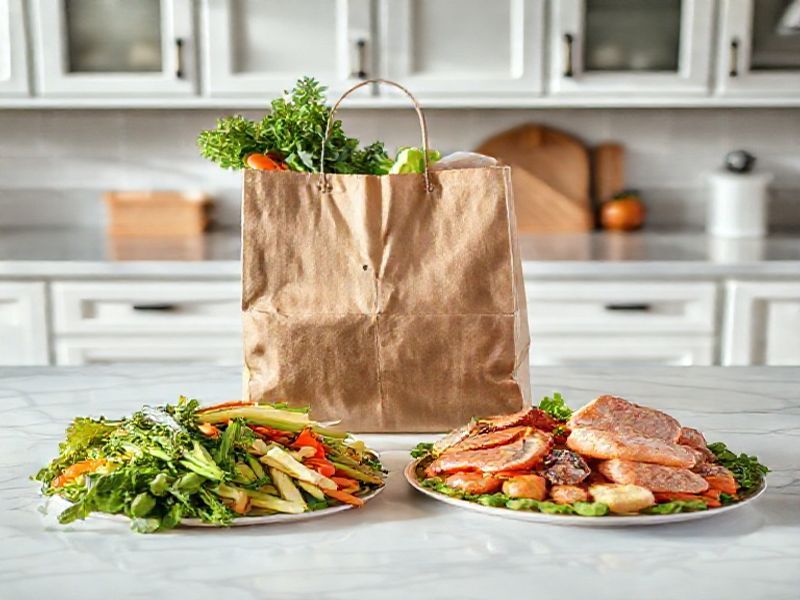
This waste usually happens because we buy for the meals we think we should cook, rather than the meals we have the capacity to execute. The 2+1 Strategy limits this exposure by capping your fresh liability at two distinct meals per week. If you buy fresh produce for five meals, statistical probability suggests two of those meals will end up in the trash.
Reducing Cognitive Load Through Lean Inventory
A cluttered pantry doesn't just hide ingredients; it hides answers. When you open a cabinet stuffed with three different types of half-used quinoa and expired sauces, you aren't just looking at food; you are looking at unmade decisions. This triggers decision fatigue.
The psychology here is critical. As noted by mental health experts, excessive options increase cognitive load. When your brain is overwhelmed, it seeks the path of least resistance—usually takeout. By leaning out your pantry to support only the 2+1 rotation, you artificially restrict your choices to "good" options, making execution automatic rather than a negotiation.
The Freezer: Your Strategic Reserve, Not a Graveyard
The "+1" in our strategy—the Freezer-Breaker—relies on a fundamental misunderstanding of frozen food. Many home cooks view fresh as superior and frozen as a compromise. From a nutritional engineering standpoint, this is often incorrect.

Fresh produce degrades the moment it is harvested. It loses nutrients during transport and while sitting on your counter. Conversely, scientific literature outlines that freezing preserves food by solidifying naturally occurring water, creating a controlled environment that retains nutrition and palatability often better than "fresh" counterparts that have spent a week in transit.
Furthermore, the method matters. To optimize your freezer inventory, you need to understand that freezing induces ice crystal formation. Slow freezing creates large crystals that damage cell structures (mushy textures). Rapid cooling and vacuum sealing—core tenets of the MealSolved logistics approach—mitigate structural damage and oxidative stress in proteins.
The Action Plan: The Step-Down Audit
To support the 2+1 system, perform a Step-Down Audit this weekend:
- The Fresh Zone (JIT): Only stock perishable goods for the 2 core meals you are cooking within 48-72 hours. Everything else is waste-in-waiting.
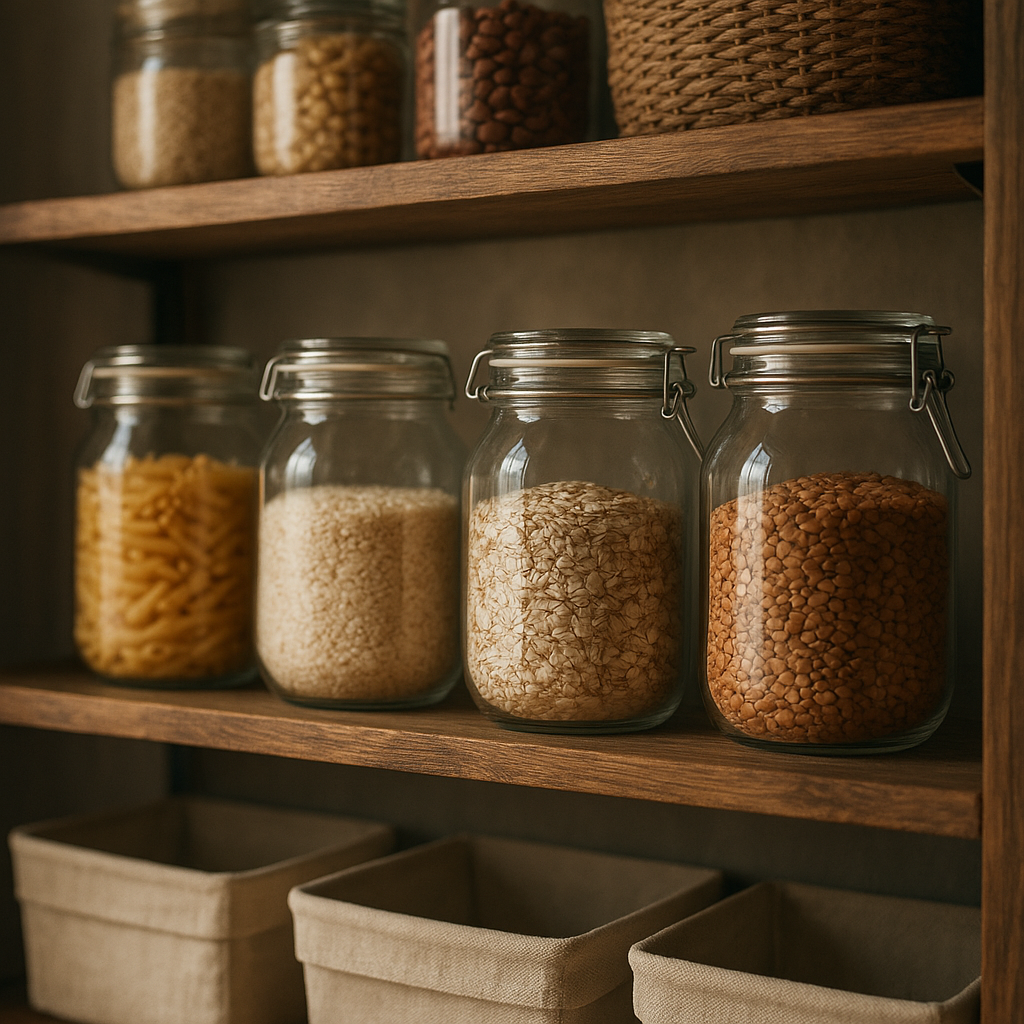
- The Support Layer (Pantry): Limit stock to "flavor multipliers" (oils, spices, vinegars) and "stable bases" (rice, pasta) that do not expire quickly.
- The Strategic Reserve (Freezer): This should not be random leftovers. It should be deliberate, high-value meals ready to be deployed when fresh inventory runs out.
Stop managing a warehouse. Start managing a supply chain.